Things to Do in Cluj
Electric train tracks above cobbled streets, Transylvanian coffee and 3 AM jazz
Top Things to Do in Cluj
Find activities and tours you'll actually want to do. Book through our partners -- no booking fees.

Plan Your Trip
Essential guides for timing and budgeting
Climate Guide
Best times to visit based on weather and events
View guide →Day Trips
The best excursions and nearby destinations worth the journey
Explore day trips →Where to Stay
Best neighbourhoods, hotel picks, and booking tips
Find hotels →Travel Insurance
What's required, what coverage matters, and how to get a quote
Read guide →What to Pack
Climate-specific gear, essentials, and what to leave at home
See packing list →When Should You Visit Cluj?
Tap a month for weather, crowds, and highlights
View full year-round climate guide →Explore Cluj
Apuseni Mountains
City
Baisoara
City
Belis Fantanele
City
Campia Turzii
City
Cheile Turenilor
City
Cheile Turzii
City
Dej
City
Feleacu
City
Floresti
City
Gherla
City
Huedin
City
Marisel
City
Rasnov Citadel Area
City
Rimetea
City
Salina Turda
City
Somes Valley
City
Turda
City
Your Guide to Cluj
About Cluj
The diesel tang of the E60 tram drifts down Regele Ferdinand Street at 6 AM, mingling with dark-roasted coffee from Croitoria de Cafea where students nurse 10 lei ($2.20) flat-whites before class. Cluj-Napoca never shouts. It murmurs in Romanian and Hungarian inside Art-Nouveau cafés along strada Universității, then spills into the open-air book market in Piața Muzeului where philosophy professors haggle over 5 lei ($1.10) paperbacks.
Walk east and the mood flips industrial-grit: abandoned tobacco warehouses on strada Fabricii reborn as techno clubs, bass lines rolling across the Someșul Mic River. Climb Cetățuia Hill for sunset, locals call it the fortress, and watch red-tile roofs ignite while the glass cube of Cluj Arena glints below. The trade-off?
January frost bites harder here than in Bucharest. Summer tourist crowds now flood Piațan Avram Iancu during TIFF and hotel prices double. Still, nowhere else in Romania lets you eat langos fried in lard, catch experimental theatre in a deconsecrated synagogue, and still make last call at Insomnia Café, all within ten minutes on foot.
Travel Tips
Transportation: Buy a 24-hour bus-tram pass from any yellow CTP kiosk, 8 lei ($1.75) covers every tram and bus except the airport express. Download the CTP Cluj app for live GPS tracking. Buses arrive every 8-12 minutes during rush hour, then stretch to 20-minute gaps after 10 PM. Skip airport taxis waiting outside arrivals, they'll quote 90 lei to the center. Instead, ride the 8 lei airport bus to Piața Mihai Viteazul, then walk five minutes to most central hotels. Late nights? Bolt rides within the center rarely exceed 15 lei ($3.30) and drivers use the meter.
Money: Romanian leu (RON) rules here. Euros are accepted only at tourist traps with lousy rates. ATMs from BCR and Raiffeisen charge no foreign transaction fees. Avoid the yellow Euronet machines beside major squares that skim 3% plus commission. Most cafés and restaurants take contactless card. Yet always carry small bills for farmers' markets and the 6 lei entrance to the Botanical Garden. Tipping 10% is standard in sit-down restaurants. Rounding up works for coffee and bars. Street food stalls operate cash-only. Keep 10 and 5 lei notes handy for langos (7 lei) and chimney cakes (8 lei).
Cultural Respect: Cluj is bilingual, Romanian and Hungarian, though English dominates universities. A simple "Bună ziua" earns warmer smiles than diving straight into English. In Orthodox churches like St. Michael's, cover shoulders and knees. Women should carry a scarf for head covering. Saturdays in Piața Mihai Viteazul belong to the Habsburg-era produce market, ask before photographing elderly vendors weighing walnuts on brass scales. Invited to a local's home? Bring flowers in odd numbers (even numbers are for funerals) and expect homemade țuică shots, sip slowly, it's 50% alcohol.
Food Safety: Cluj's water is safe. Locals drink straight from taps. At the daily market in Piața Mihai Viteazul, choose stalls with the longest queues, grandmothers know which cheese lady uses unpasteurized sheep's milk. Street food carts around the university are inspected weekly. Still, skip pre-made salads and grab hot langos fried fresh in front of you. Late-night kebabs? Stick to places grilling meat over charcoal rather than microwaving. Restaurants in the old town display hygiene grades, look for a green „A" in the window. Stomach trouble? Farmacia Catena on strada Universității stays open until 10 PM and speaks English.
When to Visit
May paints Cluj in lilac, temperatures hover 18, 23°C (64, 73°F) and the Botanical Garden erupts with 10,000 tulips for 15 lei ($3.30). Hotel prices sit 20% below summer peaks, good for budget travelers. June through August brings 25, 30°C (77, 86°F) days good for outdoor terraces along Piața Muzeului. Yet TIFF crowds in late May push accommodation up 50%.
September delivers crisp 15, 22°C (59, 72°F) days good for hiking Cetățuia without summer sweat, plus the medieval Transilvania Film Festival. October sees foliage along the Someșul Mic turn amber. Hotel rates drop 40% from summer highs. Winter bites hard, January averages -5 to 0°C (23-32°F) and grey skies persist, though December's Christmas market in Piațan Avram Iancu sells mulled wine for 12 lei ($2.65) and feels local.
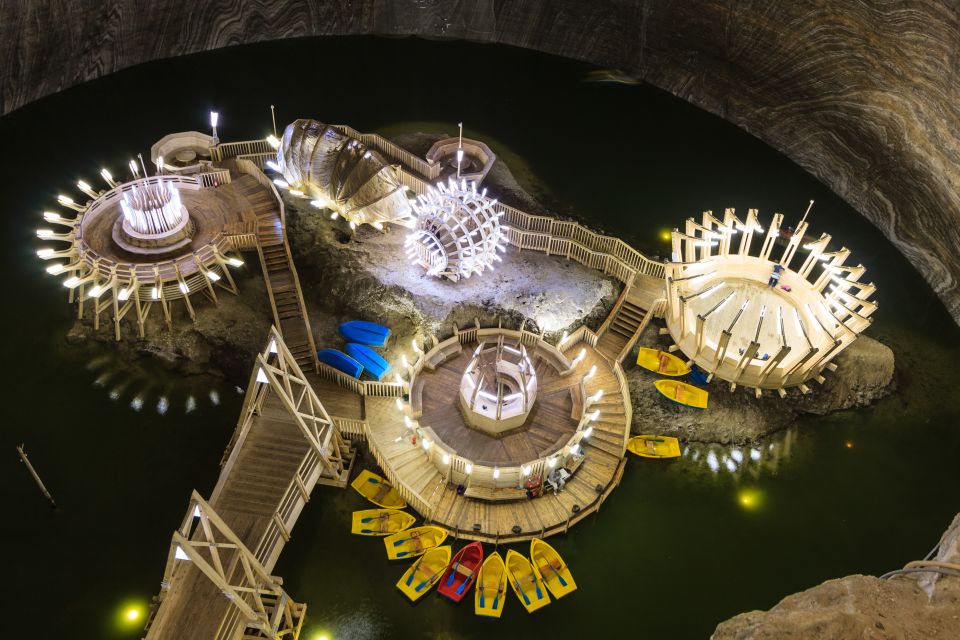
Flights from Western Europe dip 35% in February when the city empties, good for museum marathons and thermal baths at the nearby Turda Salt Mine. March remains wet and unpredictable. Pack layers and expect sudden 10°C (50°F) swings. Families love July for the longest daylight (sunset after 9 PM) but expect queues at the Ethnographic Museum.
Solo travelers find Cluj cheapest mid-January to mid-March, when hostel beds drop to 60 lei ($13) and locals have time for proper conversation.
More Ways to Experience Cluj
Tours, day trips, and local experiences curated by on-the-ground operators.
Didn't see anything interesting yet?
Browse Viator's full catalog of tours, day trips, food experiences, and private guides in Cluj.
See All Cluj Tours on Viator